
A New Tax Agenda After the Midterm Elections: What Taxpayers and Businesses Should Watch
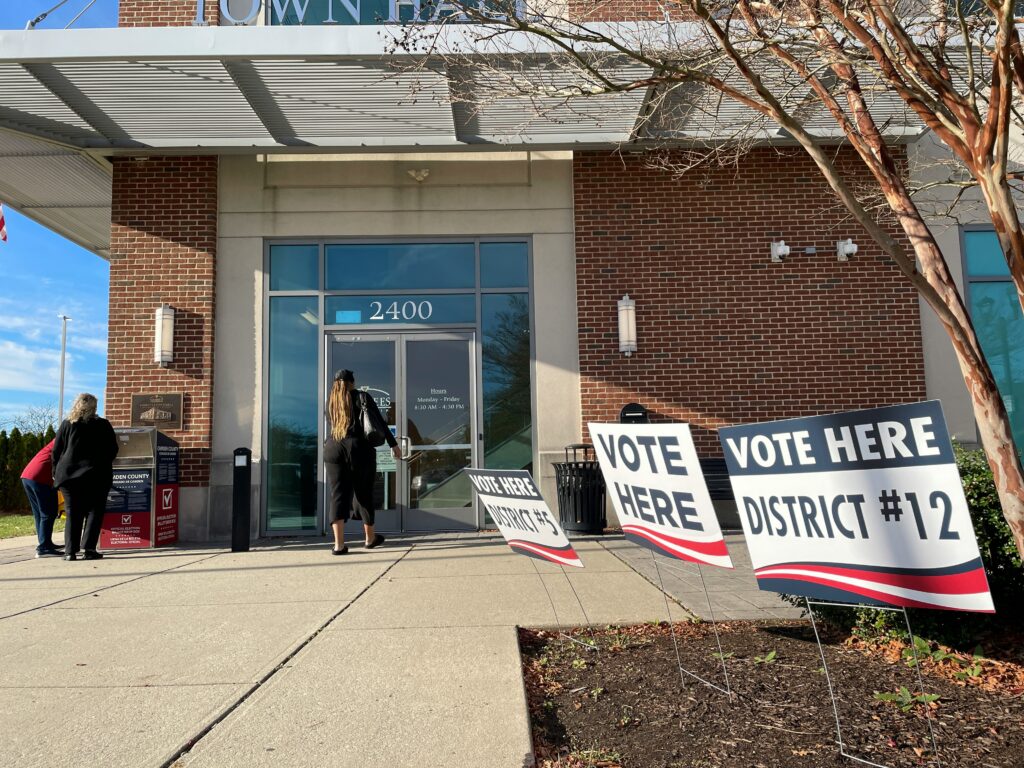
The 2026 midterm elections shifted control of both the House and Senate to Democrats from Republicans. While sweeping tax legislation faces significant hurdles, the election results are expected to reshape the national tax conversation and influence proposals that could become law in future years.
A New Direction for Tax Policy
With Democrats taking control of Congress, leadership of key tax-writing committees will change hands in 2027, allowing the party to set hearing agendas, introduce legislation, and increase oversight of tax administration. However, any major tax bill must still secure presidential approval, making large-scale tax reform unlikely in the near term.
Instead of pursuing broad tax overhauls, Democrats are expected to focus on affordability, tax fairness, and targeted relief for middle-income households.
Focus on Affordability and Family Tax Relief
Rising living costs were a major issue for voters during the midterm elections, and Democrats have signaled that affordability will be a central theme of their agenda. Proposed measures could include:
- Expanding or restoring tax credits for families with children.
- Enhancing housing-related tax incentives.
- Providing targeted relief for renters, caregivers, and first-time homebuyers.
- Exploring healthcare-related tax benefits and subsidies.
Some of these initiatives may attract bipartisan support because they directly address cost-of-living concerns that resonated with voters across both parties.
Renewed Push for Higher Taxes on the Wealthy
Democratic lawmakers have also renewed discussions around increasing taxes on high-income individuals and large corporations. Although it’s unknown if significant tax increases are to pass, several proposals could serve as key policy markers heading into the 2028 election cycle.
Among the ideas receiving attention are:
- Ending the Carried Interest Preference
Sen. Ron Wyden and other Democratic leaders have continued advocating for eliminating the carried interest tax treatment commonly used by private equity and hedge fund managers. The proposal would tax certain investment compensation as ordinary income rather than at lower capital gains rates.
- Estate and Trust Tax Reform
Democrats have also discussed measures affecting large trusts and high-net-worth estate planning strategies. While the specifics continue to evolve, these proposals generally aim to increase tax collections from ultra-wealthy taxpayers.
- Increased Enforcement and Compliance
Party leaders have signaled support for expanding efforts to combat tax avoidance and improve compliance among high-income taxpayers and large corporations. Increased congressional oversight of IRS operations could accompany these efforts.
What Businesses Should Expect
Most tax professionals agree that divided government reduces the likelihood of immediate, comprehensive tax reform. As a result, the tax provisions enacted in recent legislation are predicted to remain largely intact through at least 2028.
Businesses should instead watch for narrower tax bills addressing:
- Housing affordability initiatives.
- Digital asset taxation.
- IRS modernization and reform.
- Tax extenders and technical corrections.
- Semiconductor and domestic manufacturing incentives.
In addition, congressional committees may conduct increased oversight of corporate tax practices, IRS enforcement activities, and Treasury regulations.
Looking Ahead
For now, the most likely outcome is legislative gridlock on major tax issues. President Trump retains veto authority, and Democrats do not have the congressional majorities needed to override vetoes on their own.
Still, the Democratic-controlled Congress will play a significant role in shaping future tax policy debates. Proposals involving family tax relief, housing affordability, increased taxation of wealthy individuals, and corporate tax fairness are likely to remain at the forefront over the next two years. Even if many of these measures do not become law immediately, they could serve as the foundation for broader tax reform discussions heading into the 2028 election cycle.
This article is for informational purposes only and should not be construed as tax, legal, or financial advice. Taxpayers should consult with their professional advisors regarding their specific circumstances.
Wright Ford Young is headquartered in Irvine, CA and is one of the largest local CPA firms in Orange County. WFY is a full service corporate accounting firm offering audit, tax, estate and trust, and business consulting services to closely held company and family business owners. More information about our Firm can be found at www.cpa-wfy.com.